
Burke Resident Lookup Record Paths
Burke is an unincorporated Fairfax County census-designated place, so the useful custodians are county and state offices rather than a city directory desk. No unrestricted public list identifies every person at a Burke address. A court index can show a named party in a nonconfidential case. A parcel card can identify the recorded owner and tax mailing address. The Virginia voter portal lets a voter confirm that voter's own information. Each result is one signal, and a same-name match needs a separate date, address, or legal-record connection.
| Record | What Confirms | Where | Access |
|---|---|---|---|
| Property and tax record | Recorded owner, mailing address, situs parcel, sales or assessment clues | Fairfax iCare | Public profile, with owner withholding available |
| Voter self-record | A voter's own registration status and election information | Virginia Citizen Portal | Identity fields and certification required |
| Court index | Party, case number, filing date, type, status, and register | Fairfax eCaseSearch | Free, nonconfidential index |
| Vital certificate | A recorded birth, death, marriage, or divorce event | Fairfax Vital Records | Eligibility, identification, and fee apply |
| Business or credential file | A public entity role or professional credential | Virginia SCC, DPOR, or DHP | State search tools |
Start with iCare when the known fact is an address or ownership connection. Its situs is the parcel's physical address; its mailing field is where tax correspondence goes. Neither one proves who occupies the location. The record can also lead to a parcel identification number, legal description, sales, values, tax history, and deeds. Search a full name and locality first when the connection is a court, business, or professional record.
Burke Court Records in eCaseSearch
Fairfax Circuit Court eCaseSearch is the local court-index route for a Burke name. It offers a free search of nonconfidential civil and criminal index records from October 18, 2004 forward. Choose Civil or Criminal, then search by party or case number. A party search accepts a last name or company name with at least two letters, and a first name is optional. Results stop at 100, so a common surname may need a first name, a spelling variant, or the case number.
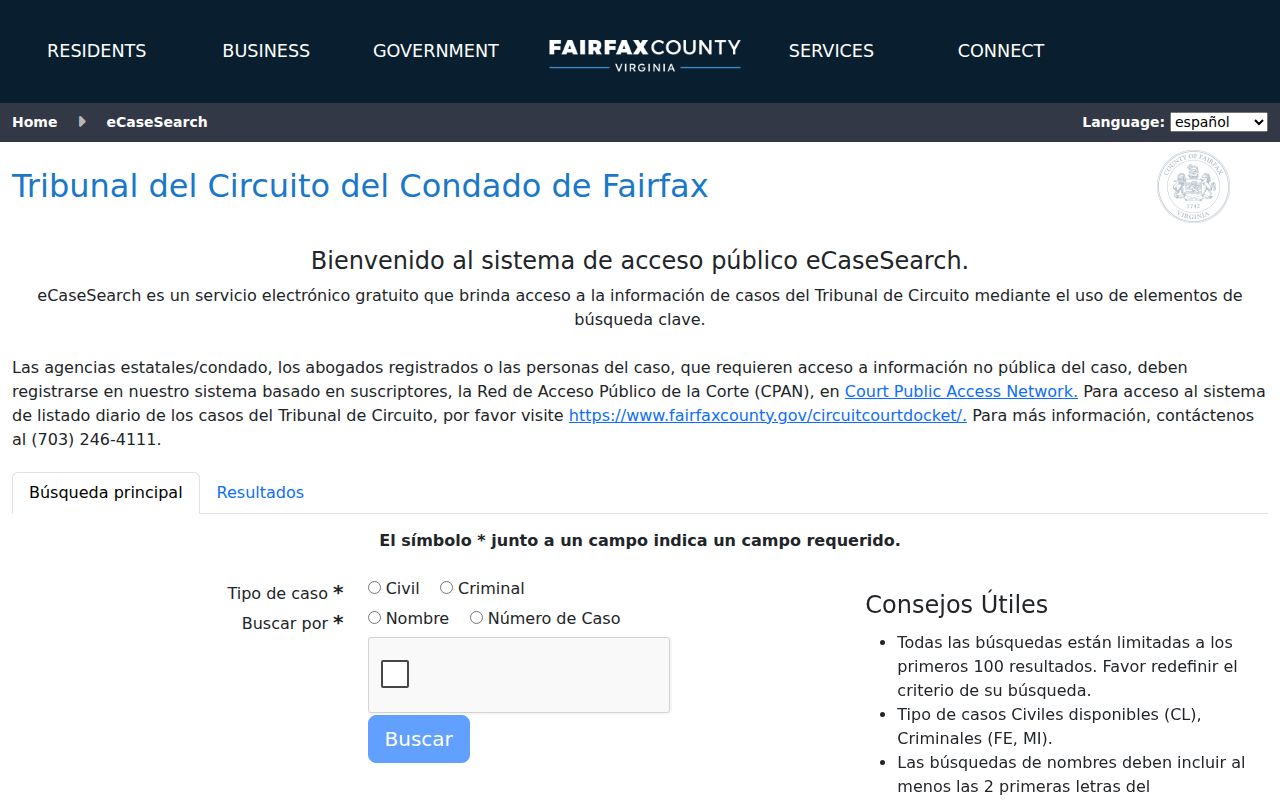
The screen is an index, not the case documents. Sealed, juvenile, and protected matters are absent, and eCaseSearch does not provide the actual files. For older or expanded court material, use the Clerk of the Fairfax County Circuit Court's CPAN route or a courthouse terminal. The Virginia Room also has a CPAN station. Ask the custodian which access route applies before treating an online no-result as a complete search.
Save a small inventory from any result: the case number, filing date, status, plaintiff, defendant, subtype, attorneys, and register of actions. The register is the dated sequence of filings and court events. Comparing those fields with a known date or address can separate same-named people without making an unsupported identity claim.
| Case number | The identifier to reuse with the clerk or CPAN. |
|---|---|
| Party and subtype | The named sides and category assigned to the case. |
| Status and register | The case state and recorded sequence of actions. |
Burke Voter Lookup Limits
Virginia's Citizen Portal is for a voter to inspect that voter's own registration and election information. The lookup uses name, date of birth, the last four Social Security digits, locality, and a certification. It is not a general name directory or a Burke address list. Virginia Code § 24.2-405 restricts voter-file disclosure. A voter-list request has defined requester categories, filters, and use declarations; it is not an ordinary person search.
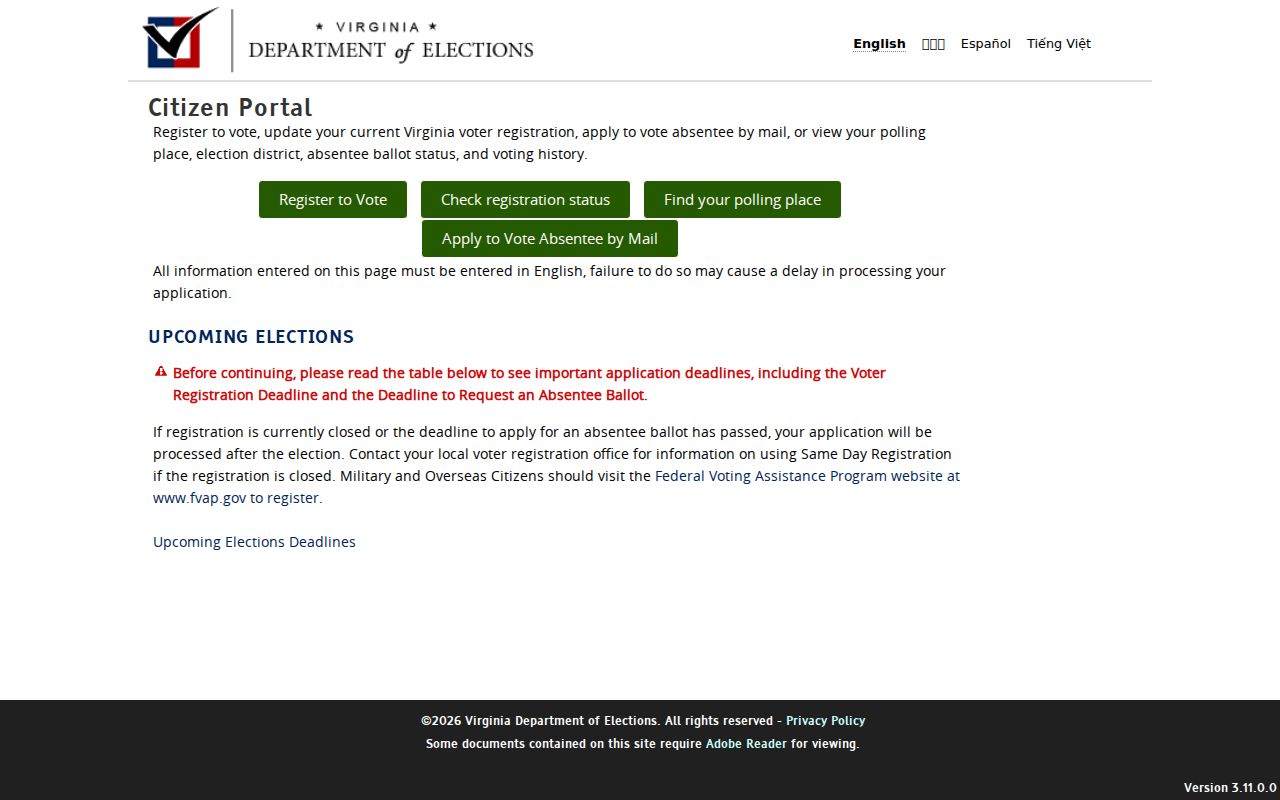
A self-lookup result may let the voter resolve a registration question, including precinct or polling information. It cannot establish every voter or every resident near an address. Local registrar staff handle voter-record updates. Do not try to infer protected voter data from a property record or an address match.
Burke Vital Certificate Routes
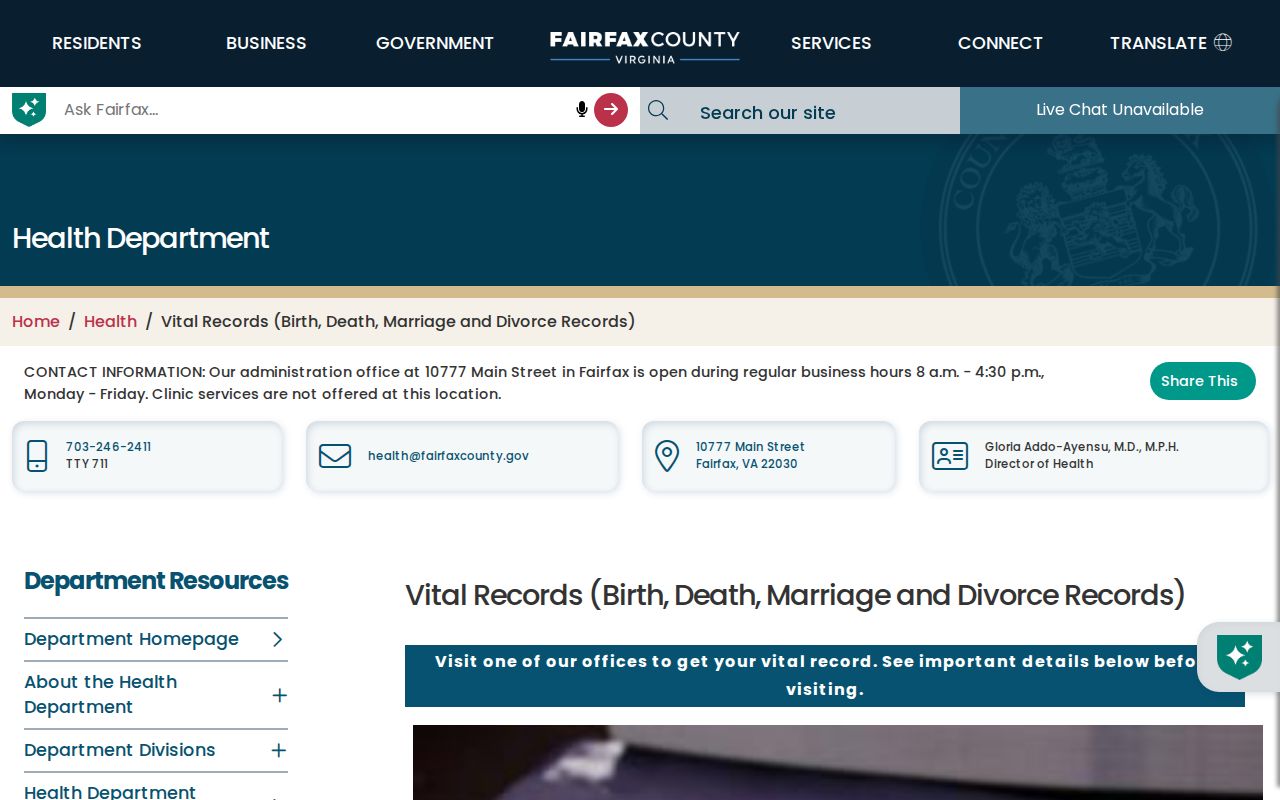
Fairfax County's Office of Vital Records is the local route for eligible people seeking certified Virginia birth, death, marriage, or divorce records. Virginia's access periods are 100 years for births and 25 years for deaths, marriages, and divorces. The current certificate process still requires the applicant to meet the eligibility rules and present identification. Fairfax reports a $15 search or certificate fee. The county's marriage-year wording is inconsistent on its page, so confirm a specific marriage record's availability with the office.
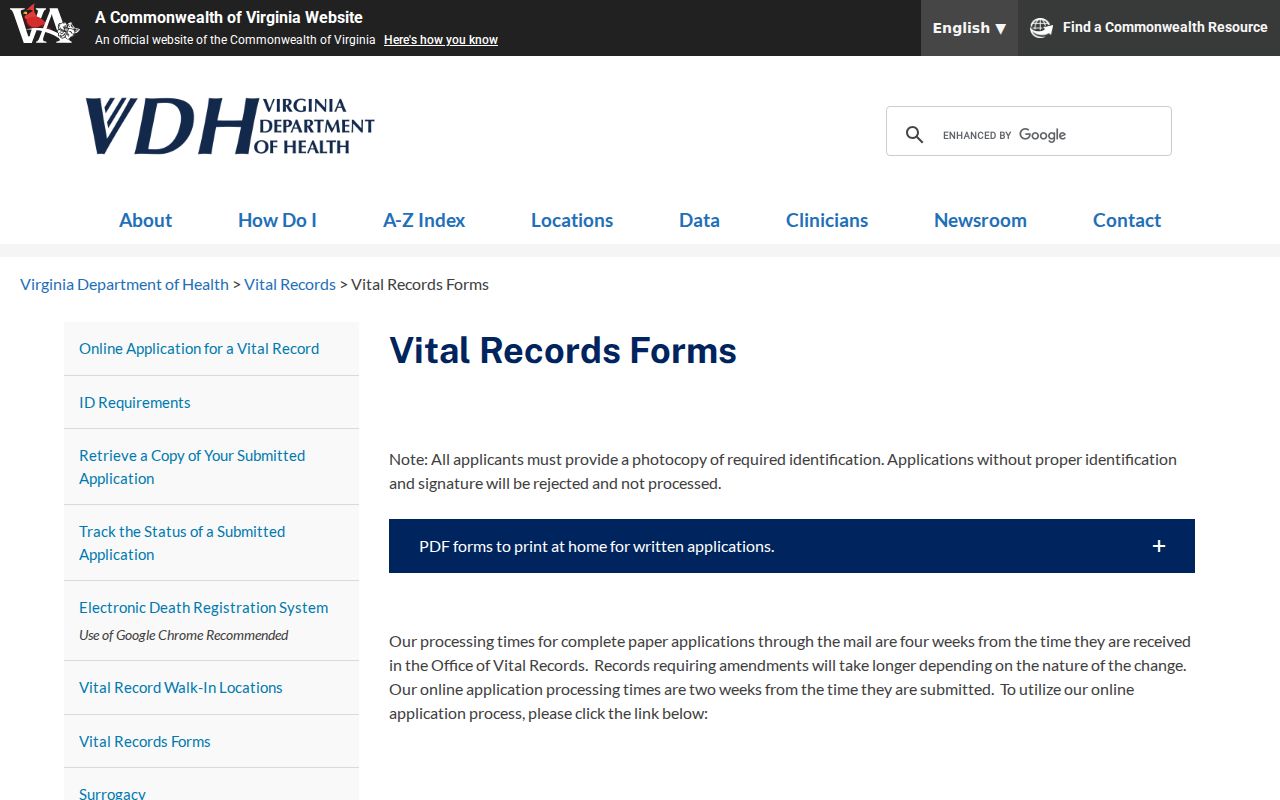
The Virginia Department of Health is the statewide custodian and offers a statewide route when the event was elsewhere in Virginia, including its documented online order route. The local office and state office are alternatives, not a general person-by-name directory. Statewide records described in the research begin in 1912 for births and deaths, 1936 for marriages, and 1918 for divorces. Give the office the event type, event date, and the applicant relationship that supports eligibility.
Virginia Vital Records forms provide the official state application paths for birth, death, marriage, divorce, and amendment requests.
A certificate is a custodian-issued record, not a search-result snippet. For a family or estate matter, use the local counter, the state form or online order procedure documented by VDH, and keep the order confirmation with the request details. A date in an index does not replace the certificate route.
Burke Business and License Checks
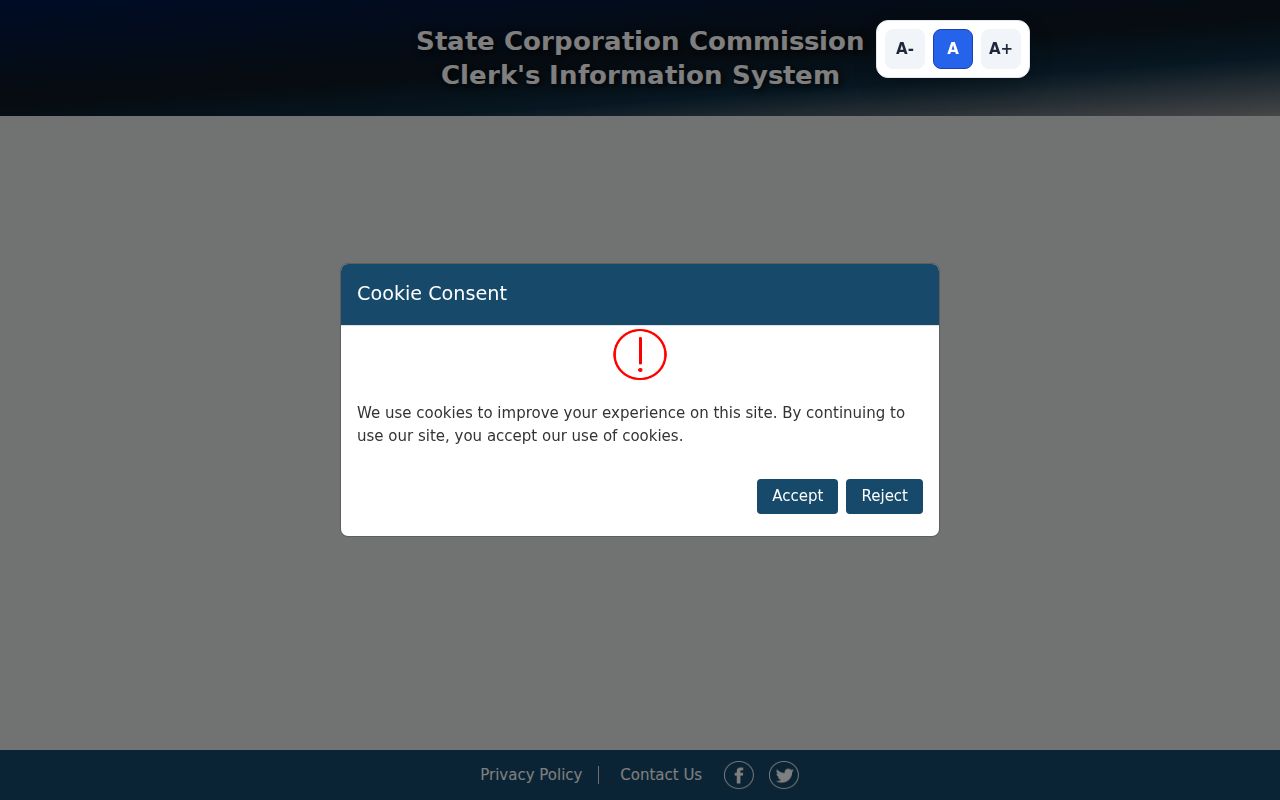
Virginia SCC Clerk's Information System, or CIS, is for entity, UCC, and business-filing research. A result may show an entity's status, formation, registered office, agent, or officer or manager details where filed. It can confirm a public business affiliation. It cannot prove that the individual connected to an entity lives in Burke, because a registered office and a personal address serve different purposes.
DPOR License Lookup is the source for Department of Professional and Occupational Regulation credentials. Its public search uses Search Text and Advanced Search, while noting that online data is not itself a certified public record. The Virginia Department of Health Professions, or DHP, maintains a separate primary-source license lookup for health professions and applies rate and volume limits. Use the board that licenses the activity in question.
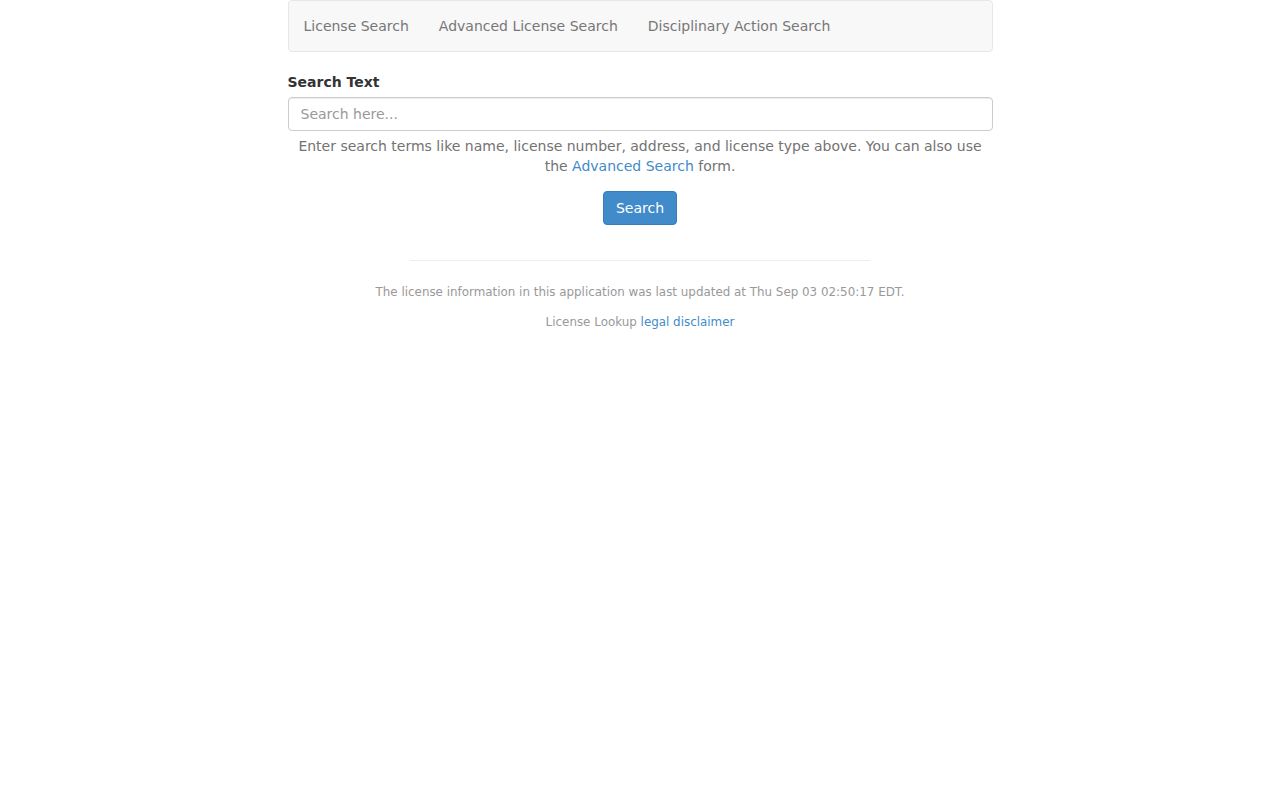
Compare a licensee name, number, type, status, and discipline fields with the correct board record. Keep a registered office, a business location, and a credential contact separate from proof of a current personal address. If an official paper record is needed, use the agency's physical-record procedure.
Build a Two-Record Burke Match
Official indexes have useful boundaries. iCare reports a parcel's owner, legal address, mailing address, and property data. eCaseSearch reports selected public court fields. The voter portal serves the voter providing identity information. A commercial people-lookup category may combine address and public-record data with unclear refresh dates and name matching. Such a result may be a lead, but it is not a substitute for a named custodian's record.
| Official record | Commercial lookup category | Practical conclusion |
|---|---|---|
| Defines its keeper, field set, and access limit | May combine records from different dates | Verify the field with its custodian |
| Shows a specific legal or administrative connection | May join same-named people | Use a second, independent signal |
The strongest match pairs records that answer different questions. For example, compare a parcel's recorded owner with a court party's dated case information, or compare a public business role with a historical directory or deed trail. A shared last name or ZIP code is not enough.
Verify a Burke Resident Record
Work from a name and locality toward records that can actually support the conclusion. Keep spelling, initials, prior surnames, and entity names together. Fairfax land records index names as typed, including errors, and can include DBA, AKA, TA, and FKA variants. A deed identifies a legal party to a transfer, not each person who occupied a property. Probate records can identify an executor, administrator, or heir connection, then recorded deeds and notices may provide a second signal.
- Search iCare by owner or address and save the parcel identification number, situs, mailing address, and legal description as separate fields.
- Search eCaseSearch with the surname or company name and optional first name. Record the case number, party role, dates, and register information.
- For a property or heir trail, use the Circuit Court grantor-grantee index and follow the legal name, recording date, and legal description. HRC wills cover 1742 to 1935; later material follows the clerk or CPAN route.
- Request a vital certificate only through the Fairfax or VDH eligibility process, with the identification and supporting information the custodian requires.
- Docket
- A court's numbered case record and the filings or events recorded for it.
- Index versus image
- An index lists fields used to locate a record. An image is the underlying document, available only through the access route and restrictions that apply.
- Certified copy
- A copy issued and authenticated by the custodian for uses requiring an official document.
When a Burke Record Trail Stops
An empty online result can mean the person is outside the portal's date range, recorded under a variant, protected by law, or simply absent from that record type. Court documents and older material may need CPAN, a courthouse terminal, or a clerk copy request. Historic deed books, tax books, wills, and related records have their own Historic Records Center access route. Historical directories, newspapers, yearbooks, and local-history holdings are available through the Virginia Room when the question concerns an earlier Burke connection.
Use a targeted Virginia Freedom of Information Act request only with the office that holds an open record. VFOIA is Virginia Code § 2.2-3700 et seq.; the ordinary response rule in § 2.2-3704 is five working days, subject to exemptions and extensions. It does not override restrictions on vital records, voter data, sealed cases, adoption files, or protected addresses. Record a negative result as not located rather than replacing it with an unverified profile.
Privacy Rules for Burke Resident Lookups
Virginia's Address Confidentiality Program, Virginia Code § 2.2-515.2, provides a substitute mailing address and mail forwarding for qualifying survivors who have relocated. The actual physical address remains confidential to designated Attorney General staff and law enforcement. Voter records have the separate limits in § 24.2-405. The Virginia Consumer Data Protection Act, § 59.1-571 et seq., gives certain rights concerning covered-business data, but it does not require Fairfax County, courts, VDH, or Elections to disclose restricted fields or erase archival government records outside a custodian's authority.
For a correction, contact the office that owns the record: DTA or iCare for a parcel issue, the local registrar for a voter record, the clerk for a court index concern, VDH or the local office for a vital-record correction, and SCC for a business filing. A Burke resident lookup is for lawful personal, family, civic, or property research. It is never a reason to expose a protected address or to infer a private household from a mailing field.
Lawful use. Public indexes are not permission to intrude on another person's privacy. Confirm facts with the responsible custodian, respect protected records, and never use a name or address to stalk, harass, intimidate, or harm anyone.